Wine Aerator and Pourer Guide: Top Picks Compared

Affiliate disclosure: Some links on this page are affiliate links. If you buy through them we earn a small commission at no extra cost to you. Recommendations are research-driven; we don't claim personal use of every product reviewed. Product prices and availability are accurate as of the date published and are subject to change. Always check Amazon for current pricing before purchasing. Learn more.
Quick Picks
Rabbit Wine Aerator Pourer Spout - Instant In-Bottle Aerating for Richer, Smoother Wine - Dripless Pour Spout for Red
In-bottle design enables aeration without separate device needed
Buy on AmazonVintorio Wine Aerator Pourer - Premium Aerating Pourer and Decanter Spout (Black)
Dual function as aerator and pourer in single device
Buy on AmazonVinturi Wine Aerator Pourer and Decanter for Red Wines Patented Design Perfectly Aerates Wines By The Glass or Bottle
Patented design suggests innovative aeration technology
Buy on Amazon| Product | Price Range | Top Strength | Key Weakness | Buy |
|---|---|---|---|---|
| Rabbit Wine Aerator Pourer Spout - Instant In-Bottle Aerating for Richer, Smoother Wine - Dripless Pour Spout for Red best overall | $$ | In-bottle design enables aeration without separate device needed | Manual pouring method requires user technique for consistent results | Buy on Amazon |
| Vintorio Wine Aerator Pourer - Premium Aerating Pourer and Decanter Spout (Black) also consider | $$ | Dual function as aerator and pourer in single device | Manual pouring requires steady hand for optimal aeration | Buy on Amazon |
| Vinturi Wine Aerator Pourer and Decanter for Red Wines Patented Design Perfectly Aerates Wines By The Glass or Bottle also consider | $$ | Patented design suggests innovative aeration technology | Manual pouring requires user technique for consistent results | Buy on Amazon |
| Wine Aerator Pourer Spout – Updated 2026 Professional Wine Aerator for Superior Flavor, Enhanced Bouquet & Rich, Smooth also consider | $$ | Pouring spout design enables hands-free aeration during serving | Unknown brand may lack established reputation in category | Buy on Amazon |
| Coravin Timeless Three Plus Wine Preservation System- Black also consider | $$ | Timeless Three Plus model suggests iterative improvements over previous versions | Wine preservation systems typically require initial investment and ongoing cartridge costs | Buy on Amazon |
Aeration is one of the simplest ways to improve what’s already in the bottle — a few seconds of oxygen exposure softens tannins, opens aromatics, and pulls out flavor that would otherwise stay locked in for the first glass or two. A combined wine aerator and pourer does this work inline, during the pour, without any separate decanter or waiting time.
The difference between a well-designed aerator pourer and a poorly designed one comes down to airflow engineering and fit. The best options aerate consistently, seal cleanly against the bottle, and don’t leave a drip trail across the tablecloth.

What to Look For in a Wine Aerator and Pourer
Aeration Method: In-Bottle vs. Pour-Through
Aerator pourers work in two fundamentally different ways. In-bottle designs insert directly into the neck and aerate as wine exits — the bottle itself becomes the vessel, and no separate device sits in the pour path. Pour-through designs work as a spout you hold or rest above a glass, drawing air into the wine stream as it passes through.
Neither approach is strictly superior. In-bottle designs tend to be more stable during pouring and easier to control at the table. Pour-through designs often expose more surface area to air in a single pass, which can be an advantage with younger, more tannic reds. Knowing which method suits your typical service situation is the first decision to make.
Airflow Rate and Aeration Intensity
Not all aerators introduce the same volume of air per ounce of wine poured. A device that creates a wide, turbulent stream will aerate more aggressively than one with a narrow laminar flow. For everyday drinking wines that are already reasonably open, a gentler aerator preserves more aromatics. For younger, tighter bottles — a recent-vintage Cabernet or an unoaked Malbec — a higher-intensity design does more useful work.
Spec sheets rarely quantify airflow precisely, so owner reviews across multiple purchase periods are the most reliable signal here. Look for consistent reports of flavor improvement at first pour, not just after multiple passes.
Build Quality and Seal Integrity
An aerator pourer lives in bottle necks of varying diameter and gets handed around a table. The stopper or seal mechanism needs to grip standard 750ml bottle necks without wobbling, and the body needs to withstand regular handling without cracking. Food-safe materials — typically BPA-free plastics or stainless components — matter both for durability and for not introducing off-flavors.
Drip control is a specific sub-category of build quality worth attention. A pourer that channels wine cleanly and cuts off flow without trailing drops is functionally better at the table, regardless of how it aerates.
Ease of Cleaning
Aerator pourers contact wine directly, which means residue buildup is a real concern over time. Devices that disassemble fully for rinsing are meaningfully easier to maintain than sealed-body designs. The consensus among long-term owners is that aerators with simple internal channels stay cleaner and last longer than those with complex multi-part internal geometry that traps sediment. A quick rinse under running water should be sufficient — if a device requires a brush or a soak after every use, that friction tends to reduce how often it actually gets used. Browsing the full range of wine aerators before buying makes it easier to compare cleaning requirements side by side.
Compatibility and Use Case Range
Some aerators are engineered specifically for red wines, where the aeration benefit is most pronounced. Others claim broader compatibility across reds, whites, and rosés. For most buyers with a red-wine-heavy collection, a device optimized for reds is the right call — the tannin-softening benefit is where aerators earn their keep, and white wines rarely need the same level of oxidative exposure.
Bottle compatibility is a separate consideration. Most standard aerator pourers fit 750ml bottles without issue. If Magnums or larger formats are part of your regular rotation, verify fit before purchasing — not all designs accommodate non-standard neck diameters.
Top Picks
Vinturi Wine Aerator Pourer and Decanter for Red Wines
The Vinturi Wine Aerator Pourer and Decanter for Red Wines is one of the most recognized names in the category, and owner consensus points to the patented design earning that reputation. The core mechanism draws air in through side vents as wine flows downward through the body — the result is a noticeably turbulent, well-aerated stream that delivers meaningful improvement on first pour, not after multiple passes.
Versatility is a genuine strength here. The Vinturi works both by-the-glass — holding it directly over a glass as you pour — and as a decanting tool for full bottles. That dual utility makes it more practical for varied service situations than devices locked into a single mode. Verified buyers consistently note that the difference in flavor and aroma is detectable immediately, particularly with younger, more tannic reds that benefit most from aggressive aeration.
The one area requiring attention is technique. Getting consistent results means maintaining a steady pour angle, and some users report an initial adjustment period before the aeration becomes reliably even across pours. Once that technique is established, the device performs consistently.
Check current price on Amazon.
Vintorio Wine Aerator Pourer - Premium Aerating Pourer and Decanter Spout
The Vintorio Wine Aerator Pourer occupies a well-considered position in the mid-range: premium enough in construction to feel like a lasting purchase, accessible enough to function as a daily-use tool rather than a special-occasion device. The black finish is a minor but useful detail — it reads as intentional on a bar cart rather than utilitarian.
Owner reviews across multiple purchase periods show positive results on the core function. The dual-purpose design — aerating as it pours, without requiring a separate decanting step — suits buyers who pour directly into glasses rather than decanting bottles in advance. The internal airflow geometry produces a consistent stream with visible turbulence, which aligns with the aeration intensity most red wines benefit from.
Storage is the one practical consideration. Adding a mid-body pour-through device to a kitchen drawer means finding a dedicated spot, since the form factor doesn’t stack naturally with other bar tools. Long-term owners report it earns the space.
Check current price on Amazon.
Rabbit Wine Aerator Pourer Spout
The in-bottle approach of the Rabbit Wine Aerator Pourer Spout solves a real problem: keeping the aeration device in the bottle between pours rather than setting it down on the table or rinsing it between glasses. For casual service where the bottle moves around and multiple pours happen over the course of an evening, that stability advantage matters.
The dripless spout design is the standout feature in practice. Based on owner feedback, the controlled pour and clean cutoff address one of the most common frustrations with standard pourers — the drip that runs down the bottle neck and onto the label or tablecloth. The Rabbit earns consistent credit for solving that specific problem reliably.
The primary trade-off is cleaning access. An in-bottle design limits how thoroughly you can flush the interior channel between uses. Buyers who maintain a strict cleaning routine between sessions should note that limitation; those who rinse and move on will find it less relevant.
Check current price on Amazon.
Wine Aerator Pourer Spout – Updated 2026 Professional
The Wine Aerator Pourer Spout – Updated 2026 Professional targets buyers who want a current-spec device without committing to one of the established name brands. The updated 2026 model designation suggests design refinements based on earlier-generation feedback — owner reviews point to a design that addresses common pain points around drip control and insertion fit.
Serious wine enthusiasts comfortable evaluating a product on its merits rather than brand recognition will find the performance competitive for the price band. The pouring spout integrates aeration into the stream as wine exits, which means no additional step or device in the service process. The hands-free aspect — aerating simply by pouring normally — removes the technique variable that affects some pour-through designs.
The honest limitation is brand familiarity. Without an established track record in the category, the performance data comes primarily from a single product generation, which makes long-term durability harder to assess confidently. The owner feedback available is positive, but the sample period is shorter than the category veterans above.
Check current price on Amazon.
Coravin Timeless Three Plus Wine Preservation System
The Coravin Timeless Three Plus Wine Preservation System belongs to a different problem-solving category than the aerator pourers above — and that distinction is worth stating plainly before discussing it as a pick. Where the other four products aerate wine during serving, the Coravin is a preservation system designed to extend the life of an open bottle for weeks or months without full exposure to oxygen.
For buyers managing a collection and opening bottles partially rather than finishing them in a single sitting, the Coravin solves a problem the aerator pourers don’t address. Spec sheets and manufacturer data confirm the mechanism: a needle passes through the cork to extract wine while replacing volume with argon gas, leaving the cork intact and the remaining wine protected. The Timeless Three Plus represents an updated generation of that patented system.
The practical consideration is ongoing cost. Coravin argon capsules are a consumable, which means the total cost of ownership scales with use frequency. The Timeless Three Plus is the right answer for a specific buyer — one who regularly opens premium bottles but doesn’t want to commit to finishing them — not a general-purpose replacement for an aerator pourer.
Check current price on Amazon.
Buying Guide
Red Wine vs. White Wine Compatibility
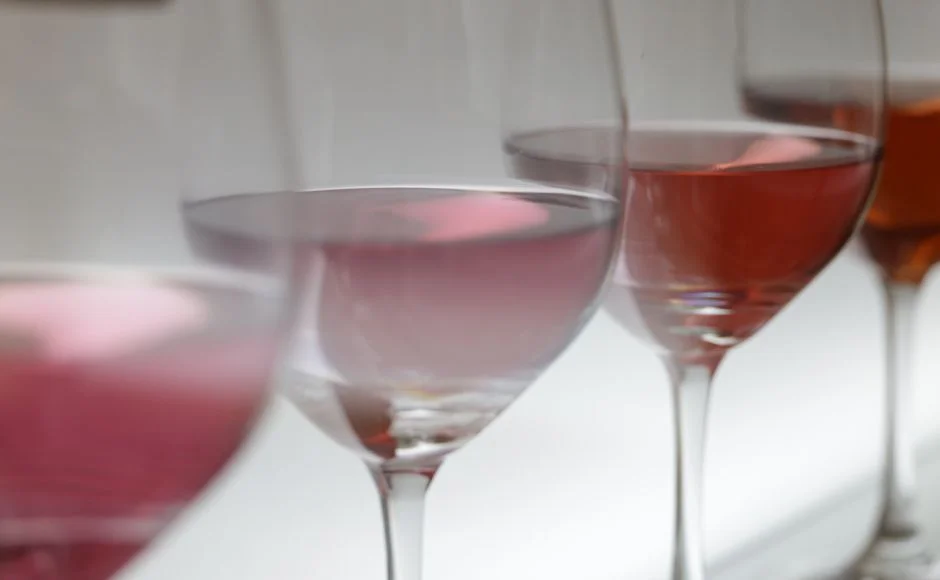
Most aerator pourers on the market are optimized for red wine, and the reason is straightforward. Reds carry tannins — the polyphenols that create astringency — and oxygen exposure causes those tannins to bind and soften, producing a rounder, less grippy texture at the glass. Whites and rosés rarely benefit from the same level of aeration, and aggressive oxygen exposure can actually flatten delicate aromatics in a lighter white.
If your collection runs predominantly red, a red-specific aerator is the correct call. If you pour across styles regularly, look for a device with adjustable flow or a gentler aeration profile — one that helps reds without punishing whites.
How Much Aeration Does Your Wine Actually Need
Not every bottle requires the same treatment, and over-aerating is a real outcome with aggressive devices. A high-quality older red with time already on it may need only moderate air exposure to open fully. A young, extracted Cabernet with significant oak and tannin structure benefits from the most intensive aeration a pour-through device can deliver.
Owner reviews across multiple purchase periods show that buyers who match aeration intensity to wine type get the best results. The practical heuristic: the younger and more tannic the wine, the more aggressive the aeration it can absorb. Lighter reds — Pinot Noir, Beaujolais — sit in the middle, benefiting from some aeration but rarely needing a second pass.
In-Bottle vs. Pour-Through: Matching the Device to Your Service Style
The core structural decision in this category is service style, not brand. In-bottle designs stay in the bottle between pours and tend to work better at casual settings where the bottle circulates. Pour-through designs require active handling — you hold or position them over each glass — but expose wine to more air per ounce, which matters for intensive aeration needs.
For buyers who entertain regularly and pour multiple glasses in sequence, an in-bottle design reduces friction. For buyers who open a bottle for a single glass and set the rest aside, the distinction matters less. The full range of options is worth reviewing at wine aerators before committing, since service context is the most reliable filter at this decision point.
Preservation vs. Aeration: Understanding the Distinction
Preservation and aeration solve opposite problems, and conflating them leads to the wrong purchase. Aerators introduce oxygen to open wine up — the goal is flavor expansion. Preservation systems exclude oxygen to extend shelf life — the goal is protecting an open bottle over time.
Buyers who open one bottle and finish it at the table need an aerator. Buyers who open premium bottles partially and return to them over days or weeks need a preservation system — and that’s the category where the Coravin fits. Most buyers with an everyday drinking habit need the aerator; those managing a more deliberate collection benefit from having both.
Cleaning and Long-Term Maintenance
Aerator pourers make contact with wine on every use, which means residue builds up faster than most buyers expect. The consensus among long-term owners is that devices with simple, open internal channels — ones that can be rinsed under running water in under ten seconds — get used more consistently than those requiring disassembly or brush cleaning.
If a device sees daily use across an active collection, consider running it under warm water immediately after each session before the residue sets. Periodic deeper rinses matter more for sealed-body designs with complex internal geometry. Ease of cleaning is underweighted in initial purchase decisions and overweighted in long-term satisfaction.

Frequently Asked Questions
What is the difference between an aerator pourer and a decanter?
A decanter aerates wine by exposing a large surface area to air over time — typically 20 minutes to an hour for a tannic red. An aerator pourer achieves a faster version of the same result by forcing wine through an air-turbulence chamber during the pour itself, which takes seconds. For everyday drinking, a pourer is more practical; for older wines or bottles that benefit from slow oxidation, a decanter gives more control.
Does aerating white wine actually help?
The benefit of aeration is far more pronounced for red wines than whites. Whites don’t carry the same tannin structure that oxygen exposure softens, and aggressive aeration can actually diminish delicate floral or citrus aromatics in lighter styles. Fuller-bodied whites — oaked Chardonnay, for example — show modest improvement with gentle aeration. For most white wine service, a standard pourer without an aeration function is the better choice.
How do I clean an aerator pourer without damaging it?
Most aerator pourers require only a thorough rinse under warm running water immediately after use. Letting wine residue dry inside the device makes cleanup significantly harder and can introduce off-flavors into future pours. Devices that disassemble — where the aeration chamber separates from the spout — are easier to clean completely. Avoid dishwashers unless the manufacturer explicitly confirms compatibility, since heat can warp the internal channel geometry.
Should I buy an aerator pourer or a Coravin preservation system first?
These two devices solve different problems, so the right answer depends on how you actually open wine. If you finish bottles in a single sitting and want better flavor at first pour, an aerator like the Vinturi Wine Aerator Pourer and Decanter for Red Wines is the correct starting point. If you regularly open premium bottles and don’t finish them, a preservation system protects that investment more meaningfully than any aerator.
Do aerator pourers work with every bottle size, or just standard 750ml?
Most aerator pourers are designed for standard 750ml wine bottle necks and fit that format reliably. Magnum bottles and other non-standard formats have different neck diameters that may not seal correctly with a standard aerator, leading to drips or unstable fit. If larger-format bottles are part of your regular rotation, verify the manufacturer’s stated compatibility before purchasing — it’s not universally documented in product listings, but owner reviews typically surface fit issues quickly.
Where to Buy
Rabbit Wine Aerator Pourer Spout - Instant In-Bottle Aerating for Richer, Smoother Wine - Dripless Pour Spout for RedSee Rabbit Wine Aerator Pourer Spout - In… on Amazon